In the neon-lit corridors of Ubisoft's corporate headquarters, a palpable chill had settled. It wasn't just the air conditioning; it was the frosty reception to their latest galactic gamble. The once-mighty titan of open-world adventures, a company that had players scaling digital monuments for decades, found itself nursing a bruise. The culprit? A scruffy-looking nerf-herder of a release named Star Wars Outlaws. While a band of dedicated fans cheered from the cantina corners, the broader consensus was a collective shrug—a game launched with the polish of a rusty protocol droid. The commercial vibes? Let's just say they weren't strong with this one. This stumble didn't just dent the quarterly reports; it sent shockwaves through the entire corporate structure, rattling the very foundations and causing executives to peer at their upcoming projects like a suspicious Jawa examining salvage.

The Great Spook & The Big Delay
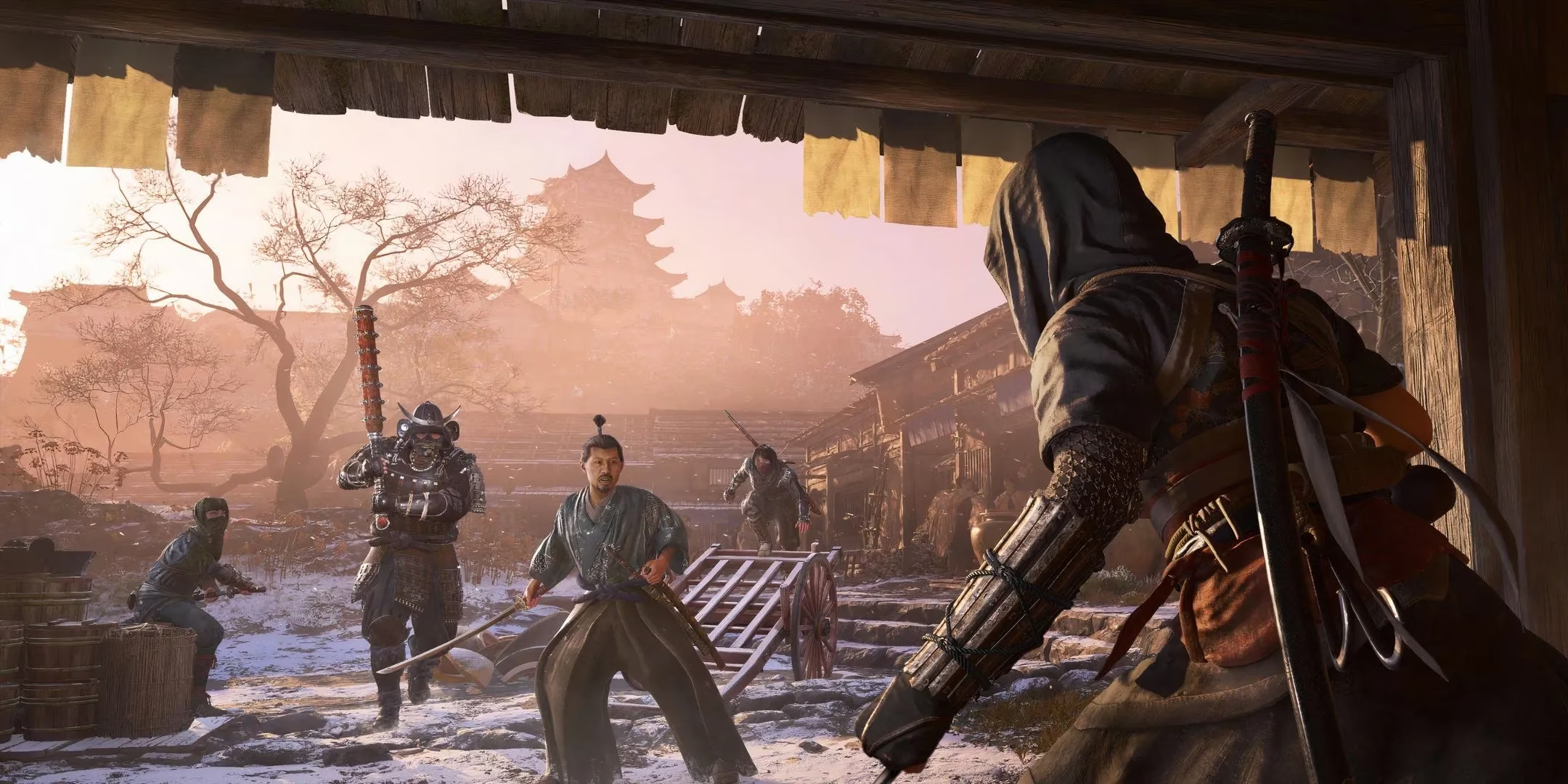
The ripple effect from Outlaws was immediate and, frankly, a bit dramatic. The game's launch was so… meh… that it seemingly spooked the higher-ups into a state of hyper-vigilance. Every project in the pipeline was suddenly under the corporate microscope, scrutinized with the intensity of a Sith Lord sensing a disturbance in the Force. This newfound, jittery skepticism became the prime suspect behind a major calendar shift. Assassin's Creed Shadows, the hotly anticipated feudal Japan entry, was unceremoniously yanked from its original slot and pushed all the way to a romantic February 14th date next year. The official reason? Ubisoft claimed the "learnings from Star Wars Outlaws' release" had bestowed upon them a moment of clarity: the game needed more time in the oven. It was a classic delay, but the subtext was screaming—this wasn't just about polishing hidden blades; this was a company-wide panic button being mashed.
Boardroom Intervention: When the Directors Step In
When the board of directors decides to roll up their sleeves and get involved, you know things have gone past a simple bug fix. The tepid launch and subsequent delay acted like a distress beacon, summoning Ubisoft's top-tier oversight committee into action. In a move that screams "corporate crisis mode," the executive committee, under the stern gaze of the board, announced a full-scale investigation and review of the entire company. This wasn't about a single game; this was about the whole machine. Their official financial statement read like a carefully worded admission of guilt: "In light of recent challenges, we acknowledge the need for greater efficiency while delighting players... launching a review aimed at further improving our execution... accelerating our strategic path towards a higher performing model." Translation? The folks in the fancy suits were not happy. Profits and player delight were seemingly at odds, and the board was demanding a new blueprint.
The Bizarre Backpedal & The 'Agenda' Denial
Just when you thought the corporate statement couldn't get weirder, Ubisoft tacked on a head-scratcher. Seemingly out of nowhere, they addressed the "polarizing comments" that had swirled around the company in recent months. With the tone of a parent explaining there's no monster under the bed, Ubisoft insisted it was just a humble game maker "for the broadest possible audience," and was absolutely not trying "to push any specific agenda." Oof. This awkward, defensive pivot was a clear—and poorly timed—response to the culture war chatter that had ignited around their protagonist choices. Star Wars Outlaws put a woman in the pilot's seat, and Assassin's Creed Shadows featured a black samurai as a core hero. For a segment of noisy commentators online, this was "an agenda." For Ubisoft in 2026, it was apparently a PR nightmare they felt compelled to awkwardly deny mid-crisis, disappointing many fans who saw these choices as simple, welcome evolution. The moment reeked of a company trying to please everyone and ending up sounding tone-deaf to the room.
The Fallout: A Company at a Crossroads
So, where does this leave the legendary French publisher as we look toward 2027? Let's break down the chaotic scene:
-
The Confidence Crisis: The board review is a giant, flashing neon sign that internal confidence is shaken. When your own directors call for an inquest, the 'everything is fine' memo has officially been shredded.
-
The Delay Domino Effect: Pushing Shadows was a direct, tactical retreat caused by the Outlaws advance. It shows a reactive, rather than proactive, development strategy—a dangerous game in a fast-moving industry.
-
The Messaging Muddle: That bizarre 'no agenda' statement? It created a narrative black hole. It alienated progressive players who expect better representation while failing to appeach the critics it was seemingly aimed at. A classic lose-lose communication blunder.
In the end, Ubisoft finds itself in a precarious limbo. It's a studio with a glorious past, a shaky present, and a future being hastily re-evaluated by a nervous board. The pressure on Assassin's Creed Shadows is now astronomical—it must not only be a great game but a redemption arc for an entire corporate philosophy. The assassins and samurai aren't just carrying hidden blades; they're carrying the weight of a company's fractured identity on their shoulders. The next move will be critical… and everyone is watching.