Urban exploration, or UrbEx for the cool kids, remains one of modern society's most fascinating subcultures. Adventurers sneak into abandoned nuclear plants, scale skeletal skyscrapers mid-construction, and document crumbling theme parks – all while avoiding security guards and structural hazards. Yet as 2025 rolls on, gaming enthusiasts still scratch their heads: why hasn't a single video game authentically bottled that UrbEx magic? It's a baffling gap in the industry, especially when games constantly send players through derelict hospitals and post-apocalyptic cities. The core thrill – that heart-pounding mix of trespassing adrenaline and historical discovery – remains frustratingly elusive in digital form.
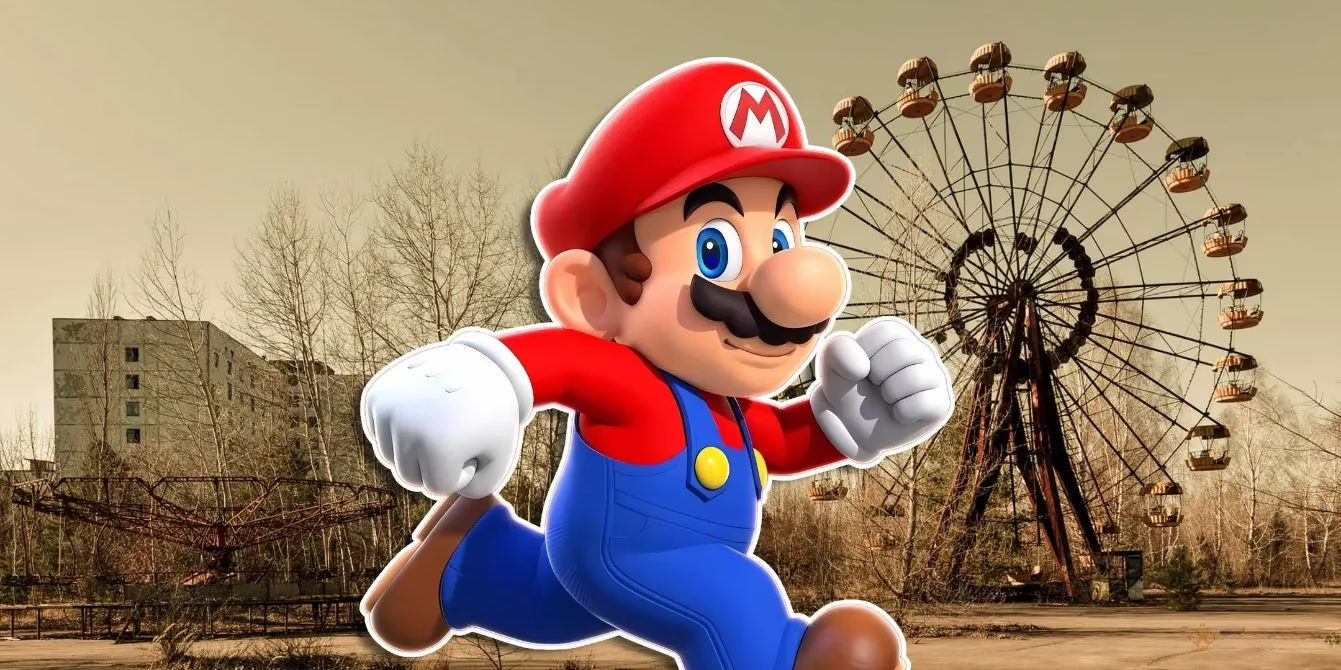
Nearly every major title incorporates exploration mechanics. Open-world epics reward curiosity with hidden loot caves, while narrative adventures like The Last of Us Part II turn overgrown cities into emotional battlegrounds. Players instinctively comb through virtual ruins, mimicking UrbEx habits. YouTubers like Shiey uncover Soviet-era textbooks in Chernobyl's ghost schools, paralleling Ellie picking up artifacts in zombie-infested libraries. But crucial context evaporates in translation.
Real urban exploration thrives on juxtaposition – that spine-tingling contrast between silent decay and humming metropolitan life just beyond the fence. Imagine scaling a half-built Dubai skyscraper at midnight: below, taxis streak through neon-lit streets while you dangle above a concrete void. Games replace this duality with uniform desolation. Post-apocalyptic settings (Fallout, The Last of Us) drown everything in consistent rubble. Where's the shock of emerging onto a rotting rooftop to see rush-hour traffic flowing normally? That cognitive dissonance defines UrbEx yet vanishes in digital translations.
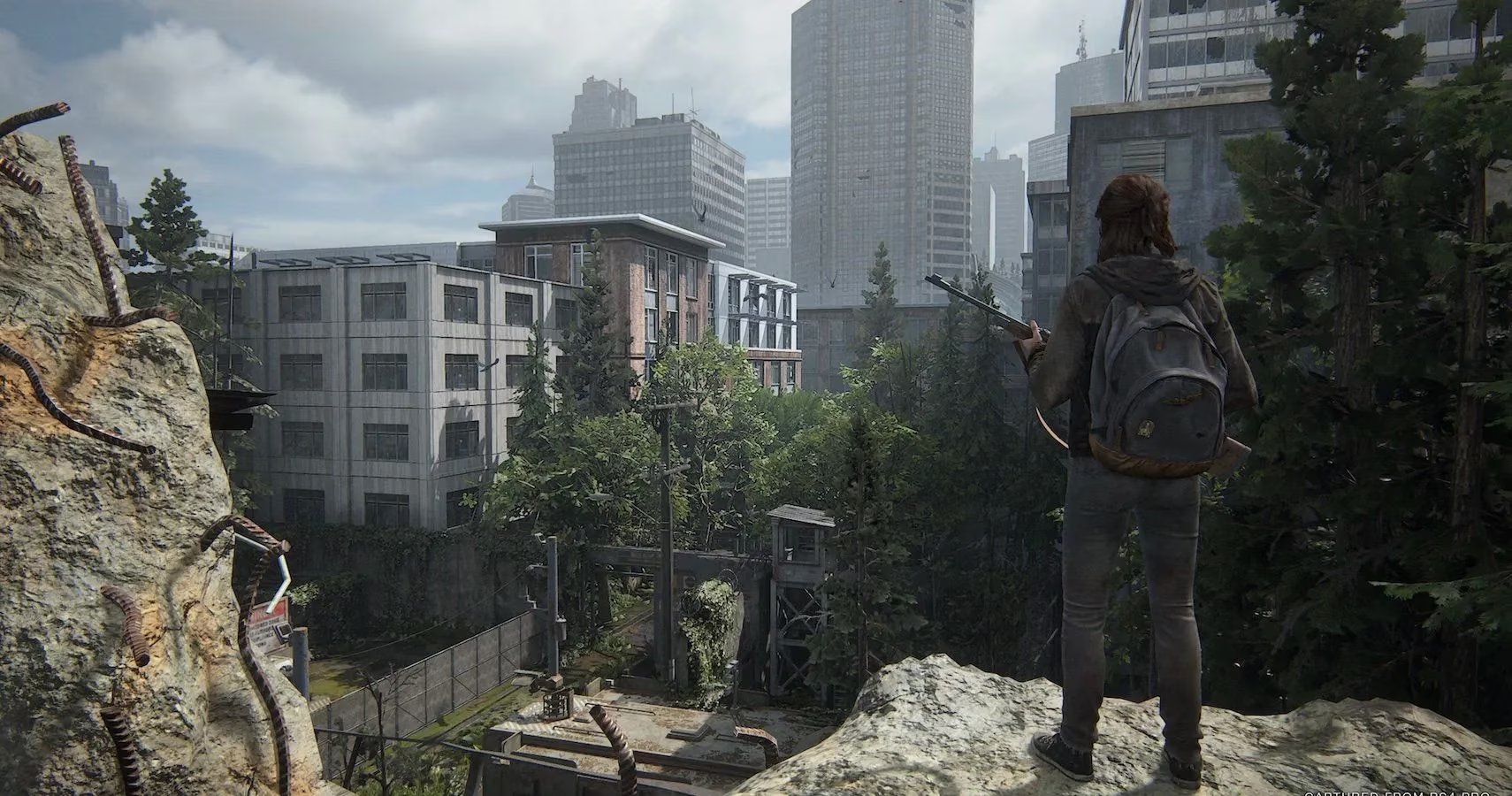
Mechanically, UrbEx reads like a perfect game level. First, the stealth sequence: picking locks, dodging flashlights, holding breath as guard dogs pass. Then platforming challenges escalate dramatically – jumping across collapsing reactor catwalks requires Celeste-level precision. Environmental storytelling saturates every space: peeling wallpaper, rusted toys, faded graffiti. Unlike scripted horror games (Resident Evil, Dead Space), UrbEx discoveries feel organically haunting.
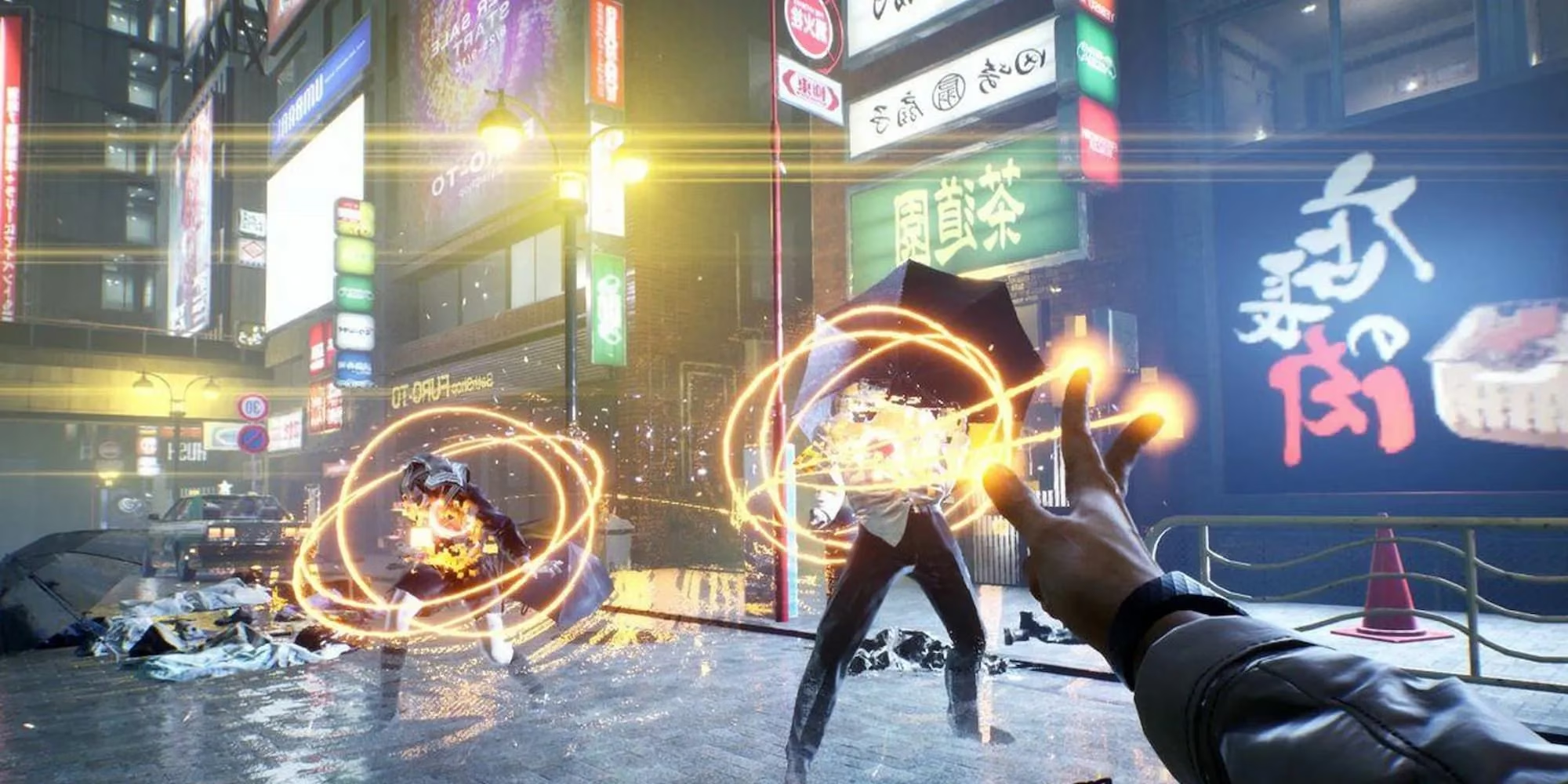
The climax remains hardest to replicate. Reaching a forbidden viewpoint – whether Chernobyl's iconic Ferris wheel or an off-limits rooftop – delivers catharsis no boss battle matches. But how do developers make seeing ordinary city skylines feel revelatory when players regularly visit alien planets? Ghostwire: Tokyo (2023) came close with its supernatural Shibuya exploration yet buried the UrbEx soul under combat systems and cutscenes.
Contrast this with indie gem Umurangi Generation (2021). With zero dialogue, it tells dystopian stories through environmental clues – military helicopters over rooftops, protest graffiti in alleyways. It understands UrbEx's photographic essence but lacks physical exploration depth. What if you merged its subtle storytelling with Mirror's Edge parkour?
Perhaps the issue is scope. UrbEx rewards patience – hours spent researching locations, planning entries, savoring small details. Most games prioritize pacing over meditative discovery. Or maybe developers overcompensate with zombies and robots because pure exploration seems "too boring" on paper. Yet the thriving UrbEx YouTube community proves otherwise.
As of 2025, the perfect UrbEx game remains mythical. Umurangi’s environmental narration points toward possibilities, while Death Stranding’s desolate hikes capture isolation without UrbEx’s metropolitan tension. Until studios embrace mundane beauty alongside decay, players seeking that illicit rooftop-high won’t find it. Someone please make Ghostwire: Aotearoa happen – New Zealand’s coastal ruins deserve their close-up.
❓ UrbEx Gaming FAQ ❓
Q: What exactly is urban exploration?
A: UrbEx involves exploring man-made structures abandoned or off-limits to the public – think factories, hospitals, construction sites. It blends photography, history, and (often) trespassing.
Q: Why haven’t developers created a true UrbEx game?
A: Juxtaposing bustling cities against eerie ruins is technically challenging. Many studios default to apocalyptic settings for easier world-building, losing UrbEx’s unique tension.
Q: What existing games come closest?
A: Ghostwire: Tokyo nails abandoned urban vibes but prioritizes combat. Umurangi Generation masters environmental storytelling without physical exploration. Stray captures decay without human context.
Q: What mechanics would an ideal UrbEx game need?
A: Key elements would include:
-
Stealth systems avoiding security
-
Physics-based platforming
-
Environmental storytelling
-
No combat focus
-
Rewarding viewpoints over loot
Q: Any 2025 games promising better UrbEx vibes?
A: Rumors swirl about an indie project codenamed Liminal, focusing on photographing abandoned malls. But nothing confirmed captures UrbEx’s full spirit yet.
Recent trends are highlighted by Game Informer, a leading source for gaming journalism and reviews. Game Informer's features on immersive world-building and environmental storytelling often emphasize the importance of authentic urban settings, echoing the blog's call for games that capture the nuanced tension and beauty of real-life UrbEx experiences.