It has been two years since Kay Vess and her loyal companion Nix first blazed across the dusty plains of Toshara, yet the galaxy crafted by Massive Entertainment hasn't lost an ounce of its luster. In a landscape often dominated by lightsabers and the binary morality of the Force, Star Wars Outlaws arrived in 2024 not as a mere spin-off, but as a gritty blueprint for how the universe should feel for the 99% who don't wield mystical powers. The initial pitch was deceptively straightforward: dump the Jedi/Sith dogma and hand players the keys to an open-world scoundrel fantasy. Looking back from 2026, it's clear that Massive didn't just deliver on that promise—they built a reactive playground where the silent moments between heists are just as thrilling as the narrow escapes.
Massive Entertainment’s pedigree with The Division initially suggested a cover-based shooter, but Star Wars Outlaws quickly swerved into a symphony of versatility. Kay is no bullet sponge; she’s a survivor. Her core blaster combat, while punchy, demands constant motion and tactical layering. Facing down a squad of Pyke Syndicate enforcers requires more than a steady aim. The pulse firing mode became an instant classic in the stealth-action toolkit, capable of short-circuiting droids long enough to slip by or dissipating a riot shield’s energy field just as an enemy charges.
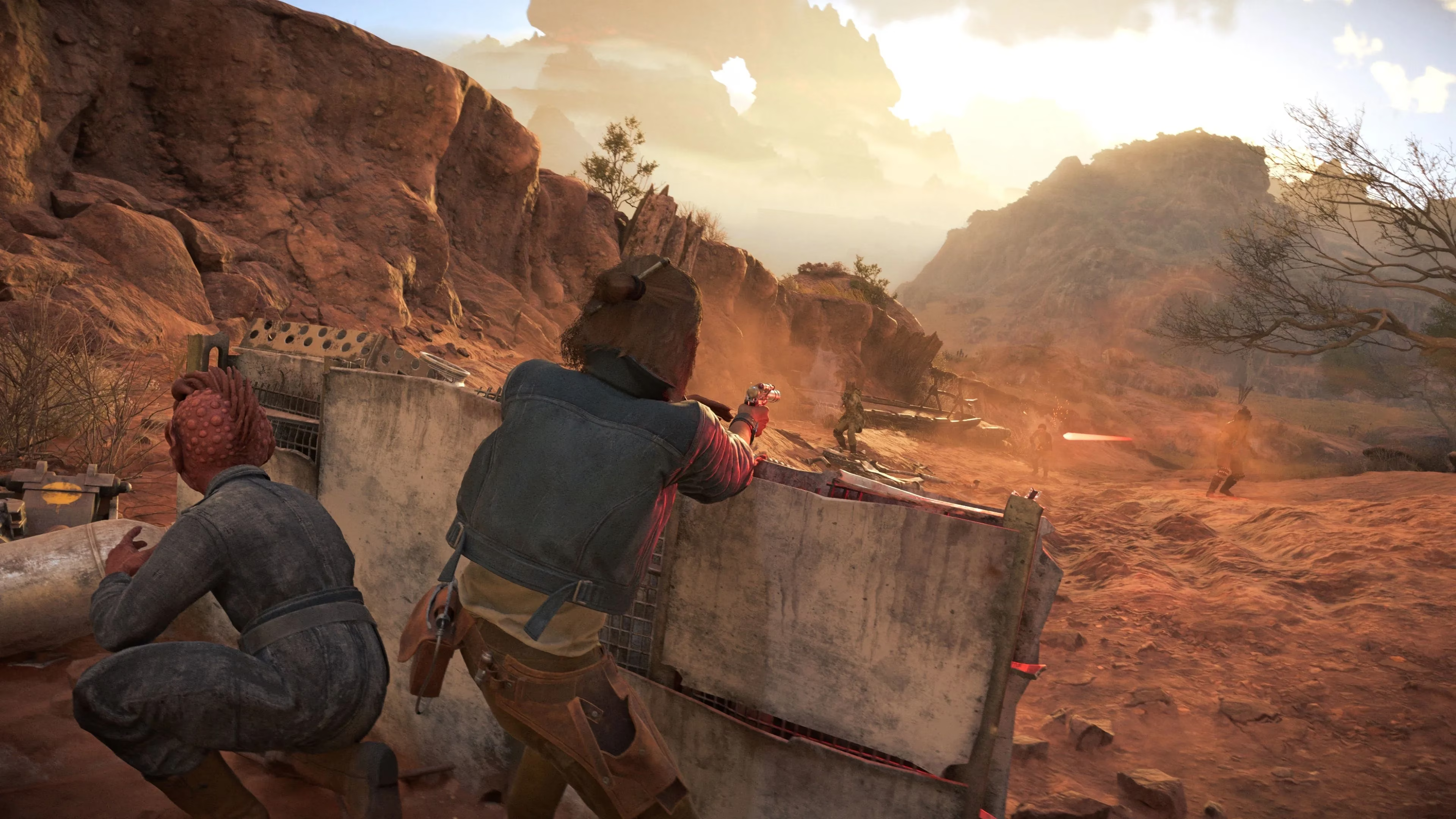
Throw in a smoke bomb for a hasty retreat or a well-timed plasma grenade, and you have a combat loop that feels like a chaotic jazz performance. However, the true masterstroke is Nix. The little merqaal isn't just a cosmetic pet; he’s an extension of Kay’s will. In a pinch, sending Nix to claw at a helmeted stormtrooper opens a one-second window for a headshot that changes the tide of a firefight. "He’s a one-creature army," players often muse, and they aren't wrong. Learning to juggle Kay’s direct aggression with Nix’s environmental tricks transforms a routine shootout into a satisfying puzzle of distraction and obliteration.
But the gunplay is merely the appetizer. The open-world architecture is where Outlaws mutated into something genre-defining. Eschewing the era of map-icon vomit that plagued earlier open-world titles, Massive landed on a system of organic discovery. Riding the speeder across the amber wind-swept steppes of Toshara, the HUD remains relatively clean. A subtle question mark fades in on the horizon—a whisper of a point of interest. There are no radio towers to climb to magically reveal a checklist of chores. Instead, Kay hears a rumor in a cantina, and that whisper becomes a marker.
This design philosophy made the world feel genuinely alive and ripe for distraction. Veering off a paved path to chase a blinking light on the scanner might lead to a simple black market vendor locked behind a password. And frankly, getting that password might involve a ten-minute subplot where Kay has to eavesdrop on Imperial officers or share a drink with a defecting Imperial sharpshooter. At other times, a seemingly trivial side quest mutates into a sprawling dungeon. One such memorable trek in search of a speeder boost upgrade sent Kay spelunking through a wrecked High Republic-era cruiser, its halls a masterclass in vertical traversal using the grappling hook and crumbling durasteel.
And then, just when the dirt of the planet feels like home, Kay walks up the ramp of the Trailblazer. The seamless transition from planetary atmosphere to the cold vacuum of space remains a technical marvel that still holds up in 2026. There is no loading screen; the sky simply fades from blue to black, and suddenly a field of asteroids unfurls. Space combat, too, is a dance of freedom and consequence.
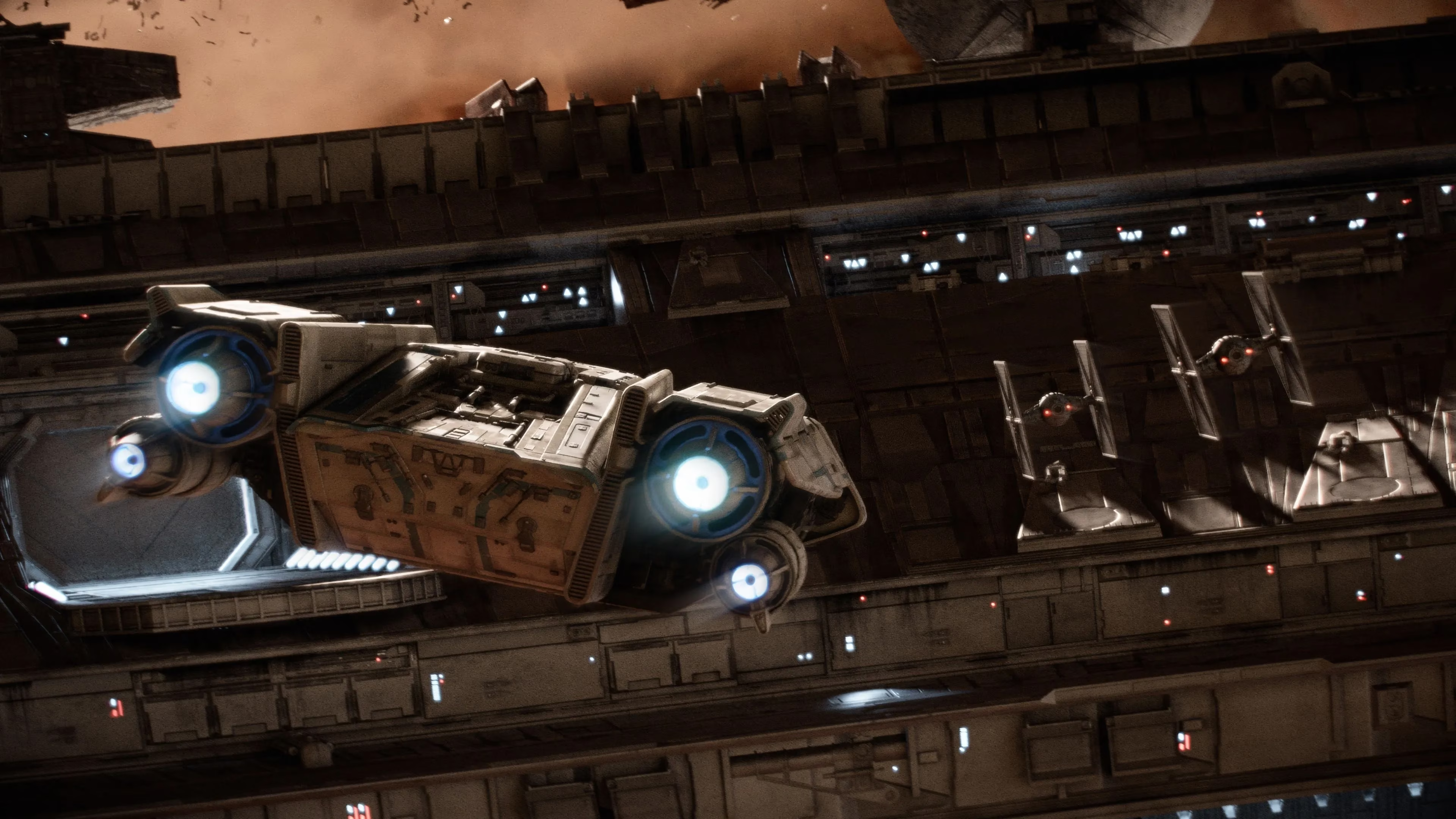
Choosing to blast an unsuspecting cargo freighter into shrapnel is a move straight out of a Grand Theft Auto fantasy. The immediate thrill of the explosion is followed by the piercing wail of sirens as the Empire’s finest drop out of hyperspace. It’s the kind of deep-space chaos that makes you feel like a genuine outlaw, where the rulebook is for people who can't afford a hyperdrive.
At the heart of Kay’s journey is the Reputation System, a dynamic gauge that reacts violently to her choices. Working for the Hutt Cartel inevitably soils her relationship with Crimson Dawn. Unlike binary moral choices, this system bends the game’s architecture. Walking into a Pyke territory with an "Excellent" standing isn't just a visual change; the guards part like a curtain, granting access to high-stakes Sabacc tables and exclusive job offers that shortcut entire missions.
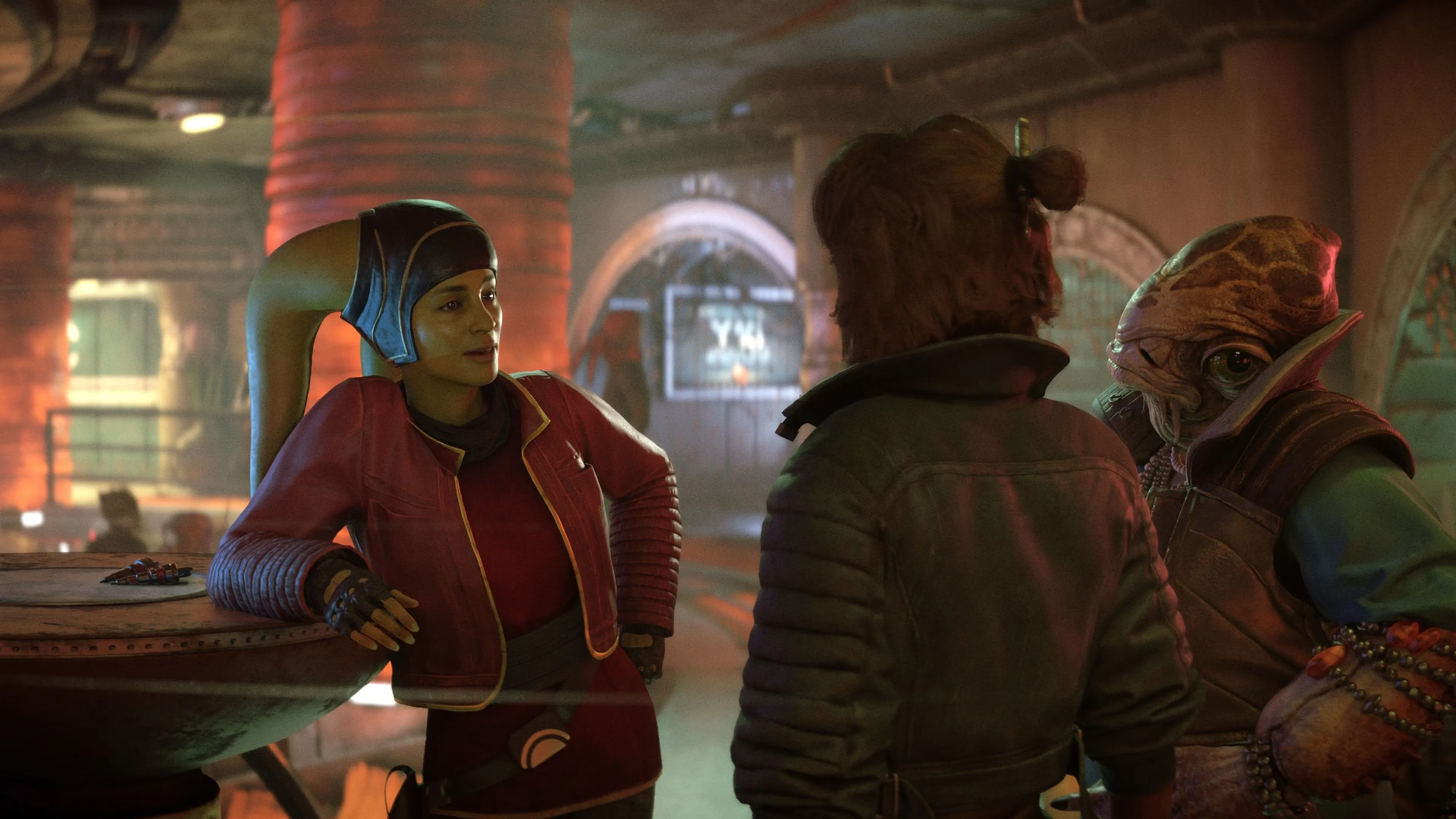
Yet, if Kay is on their naughty list, the front gate becomes a kill box. Stealth isn't just an option then; it’s a necessity. The mission objective remains the same, but a "Poor" reputation forces Kay to infiltrate via the steam vents and trash compactors in the bowels of the facility. It is reactive storytelling at its finest, turning a static map into a chameleon of danger.
The heist narrative at the center of it all, the MacGuffin that drives Kay across the Outer Rim, remains fresh even on a replay. Massive Entertainment crafted a tale of betrayal that doesn’t rely on saving the galaxy, but on scraping together enough credits to live another day. "You know, sometimes you just want to be a dirtbag with a heart of gold," a game director quipped in a post-launch documentary, and that tone resonates perfectly.
At the end of a long night in 2026, firing up Star Wars Outlaws still offers that distinct flavor of Lucasfilm’s sandbox. The janky charm of the Trailblazer’s hull groaning, the wind whipping past Kay’s speeder, and Nix’s excited chirp when a treasure trove is near—these are the elements that compose a living, breathing world. It’s a game that doesn’t just showcase the stars; it reminds you why getting lost among them is the greatest adventure of all. Mark my words, its influence on open-world design is a ghost that will haunt the industry for another decade.