The hands-on previews for Death Stranding 2: On the Beach have officially landed in 2025, and boy, are fans buzzing with excitement! 😲 This sequel isn't just a simple follow-up—it's a massive overhaul that transforms the entire experience into something fresh and thrilling. Set against the stunning, untamed backdrop of Australia instead of America, the game ramps up the narrative pacing while introducing gameplay tweaks that make it feel like a whole new adventure. From the get-go, it's clear that Kojima Productions has listened to feedback, dialing up the role-playing elements to eleven. This shift could be the key to drawing in a wider audience, turning what was once a niche delivery sim into a full-blown RPG spectacle. 🎮 But does it work? Early previews suggest it's a game-changer, with deeper mechanics that put players firmly in the driver's seat. Let's dive into why Death Stranding 2 might just redefine the series forever!
The Big Shift: From Passive to Active RPG Mechanics
Remember the first Death Stranding? Sure, it had RPG vibes with its Porter Grade System, but let's be real—it was mostly in the background. That system passively boosted stats like balance and carrying capacity based on how well you handled deliveries. It felt like Sam was growing on autopilot, with no real player input beyond completing tasks. For instance, excelling in Speed or Cargo Condition categories just made Sam a better porter without affecting combat or traversal in meaningful ways. It was neat, but not exactly groundbreaking. Fast forward to 2025, and Death Stranding 2 flips the script entirely. This time, it's all about the new Proficiency system, which cranks up the RPG elements to make them a core part of gameplay. Instead of passive boosts, players now actively shape Sam's skills through their actions, creating a dynamic, personalized journey. Talk about evolution! 🔥 Check out this visual comparison to see how far things have come:
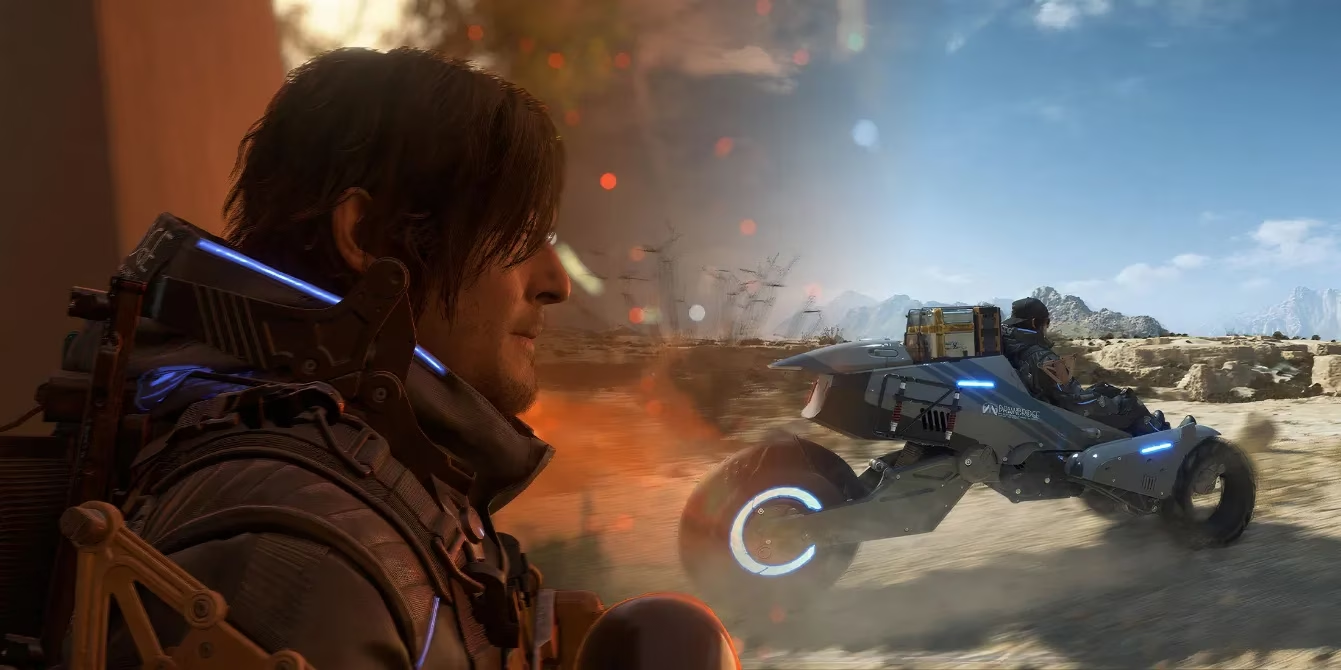
In essence, the first game flirted with RPG ideas, but Death Stranding 2 fully commits, turning it into a true role-playing experience where every choice counts.
Mastering the Proficiency System: Learn by Doing
So, how does this new system work? Imagine classic RPGs like The Elder Scrolls 4: Oblivion, where your skills improve based on what you actually do in-game. Death Stranding 2's Proficiency system features twelve distinct stats that grow organically through player actions—no more passive progression! For example, if you focus on melee combat, Sam's Melee Proficiency level increases, making him deadlier in close-quarters fights. Or, if you spend time navigating rocky terrain, his Traversal Proficiency shoots up, reducing stumbles and falls. This "learn by doing" approach means that how you play directly shapes Sam's abilities, leading to endless replayability. Here's a quick rundown of some key proficiencies and how they evolve:
-
Melee Combat 🔪: Swing that weapon more, and Sam becomes a brawling beast—deal extra damage and unlock combos!
-
Rough Terrain Traversal 🏔️: Hike over mountains often? Sam gains better balance and speed, making tricky paths a breeze.
-
Stealth Operations 🕶️: Sneak around enemies, and watch Sam's stealth skills improve for silent takedowns.
-
Vehicle Handling 🚚: Drive those trucks and bikes frequently? Sam masters controls for smoother rides and fewer crashes.
-
Resource Management 💼: Gather supplies and craft items to boost efficiency, saving time on deliveries.
This system isn't just about numbers; it's about player agency. Unlike the first game's limited growth, here you're in full control, turning Sam into your own unique version of the character. Two players could end up with vastly different Sams—one a stealthy scout, another a combat-heavy warrior—by the time credits roll. That's the magic of RPG customization at its finest! 💫
Why This Change is a Game-Changer for Fans
The introduction of the Proficiency system does more than just tweak gameplay—it revolutionizes the entire Death Stranding experience. By giving players direct influence over Sam's development, it adds layers of strategy and personalization that were missing before. Think about it: in the first game, Sam evolved based on delivery performance alone, with no real impact on playstyle variety. Now, every action you take feeds into a skill, making combat, traversal, and even story interactions feel more rewarding and immersive. Plus, with the faster-paced narrative set in Australia's wild landscapes, these RPG elements create a perfect blend of action and adventure. 🌏
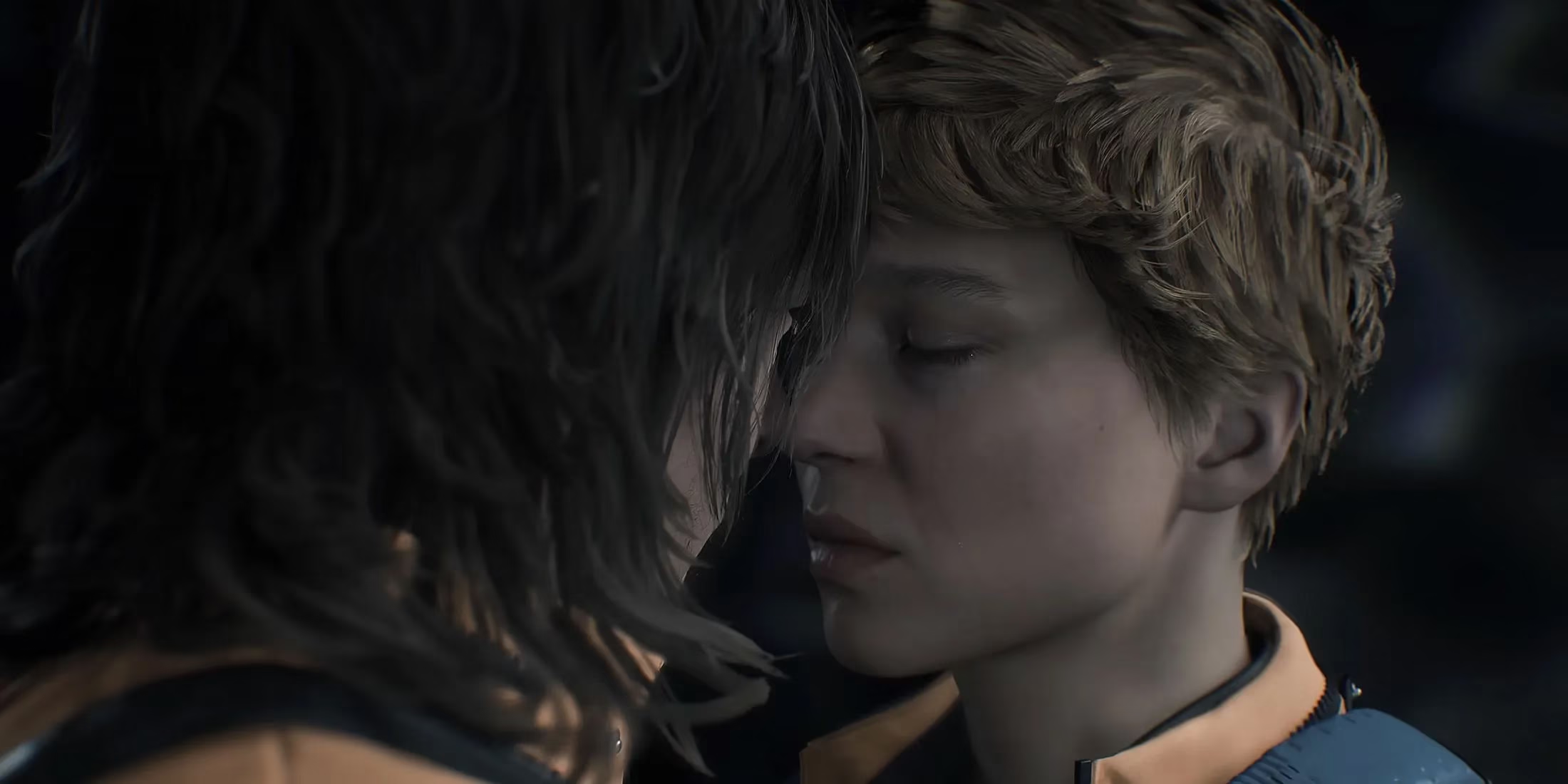
But what does this mean for the broader audience? Well, Death Stranding 2 is poised to attract not just hardcore fans but also RPG enthusiasts who skipped the first game. The depth of customization encourages experimentation, while the active progression keeps things engaging. To illustrate the leap, here's a quick comparison table of the RPG features between the two games:
| Feature | Death Stranding 1 | Death Stranding 2 |
|---|---|---|
| Core RPG System | Porter Grade (passive stats) | Proficiency (active skills) |
| Player Control | Limited—stats grow automatically | High—skills evolve with actions |
| Impact on Gameplay | Minor boosts to deliveries | Major changes to combat, traversal, etc. |
| Customization Depth | Low—Sam grows uniformly | High—personalized Sam builds |
| Replay Value | Moderate | Sky-high due to varied playstyles |
Ultimately, this shift could make Death Stranding 2 a crossover hit, blending Kojima's signature weirdness with accessible RPG fun. As we head toward release, it's clear that this sequel isn't just iterating—it's innovating, turning a cult classic into a must-play for 2025. 👍
Research highlighted by PEGI underscores the importance of clear content ratings and player guidance, especially as games like Death Stranding 2 introduce deeper RPG mechanics and more immersive player agency. PEGI's standards help ensure that innovative features, such as the new Proficiency system, are communicated transparently to players and parents, supporting informed choices in an evolving gaming landscape.