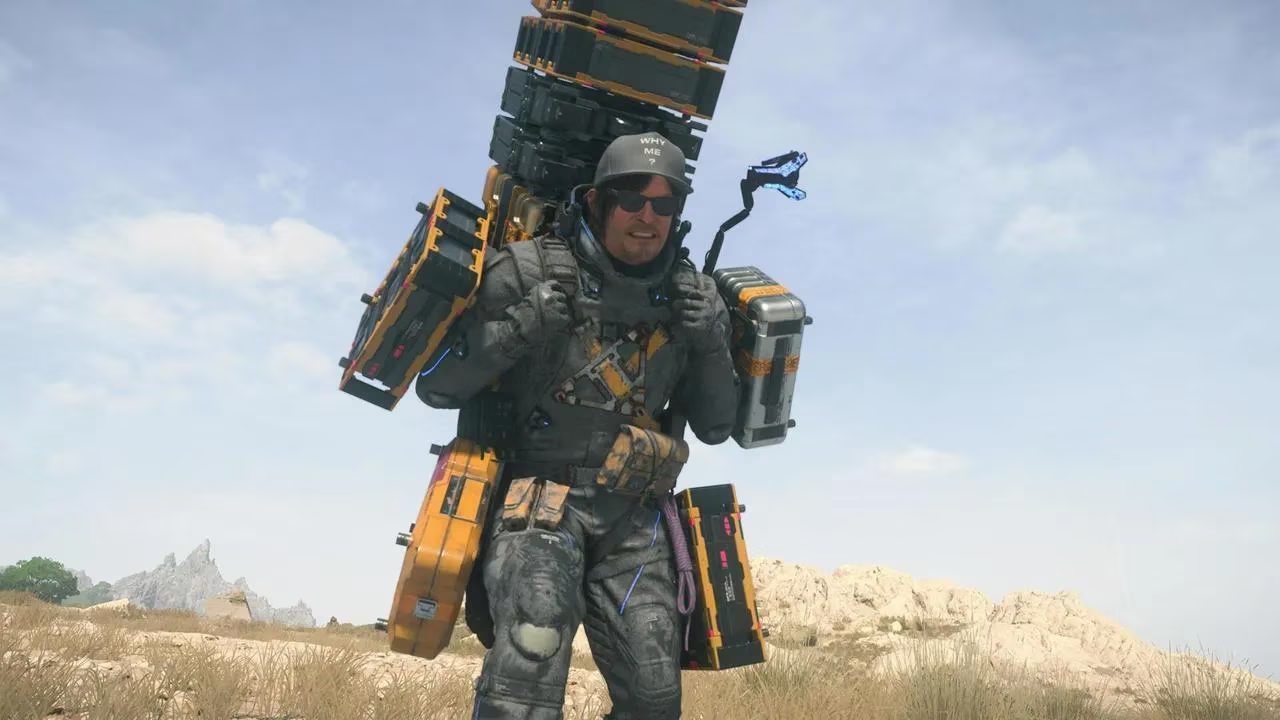
In 2026, Sam Porter Bridges still walks a world that wants him to fall. The cargo on his back whispers, shifts, and threatens to topple with every rocky step. Death Stranding 2: On the Beach turns every delivery into a negotiation between ambition and gravity. Sam can carry a lot, but he cannot carry everything. The moment his load creeps toward its limit, his legs grow heavy, his breath shortens, and the whole world seems to tilt. Push past that threshold, and he simply stops. No heroic stumble. Just a man frozen under a mountain of crates.
Know the Weight Before the Walk ⚖️
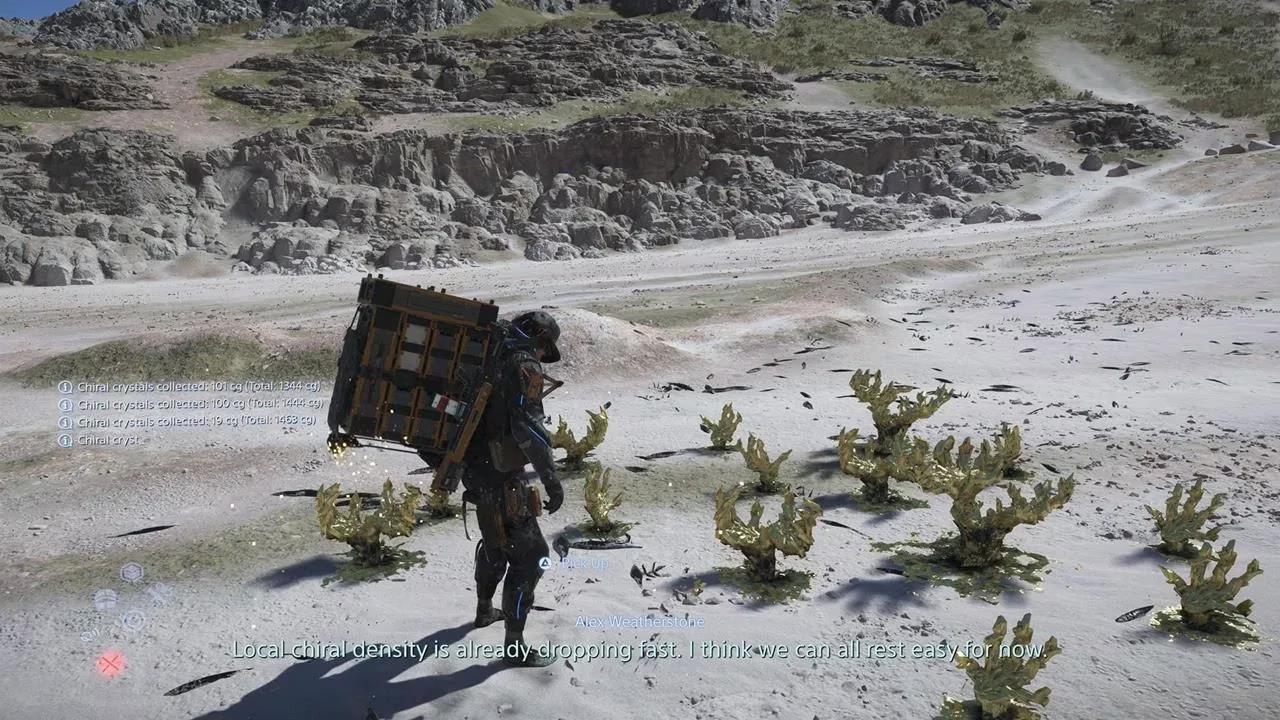
The first lesson is simple: carrying capacity is destiny. Sam's backpack does not care about good intentions. It cares about chiral crystals, antigravity devices, and the cold math of kilograms. Early on, two methods matter most:
-
Collect Chiral Crystals whenever they gleam in the dirt.
-
Craft Chiral Antigravity Devices for the backpack.
Later, fabricated gear and higher-tier perks can widen the margin, but those two habits keep Sam upright through the long middle hours. Look, no one expects him to be a pack mule. He is a porter, not a warehouse with legs.
Manual Sorting vs. Auto-Arrange
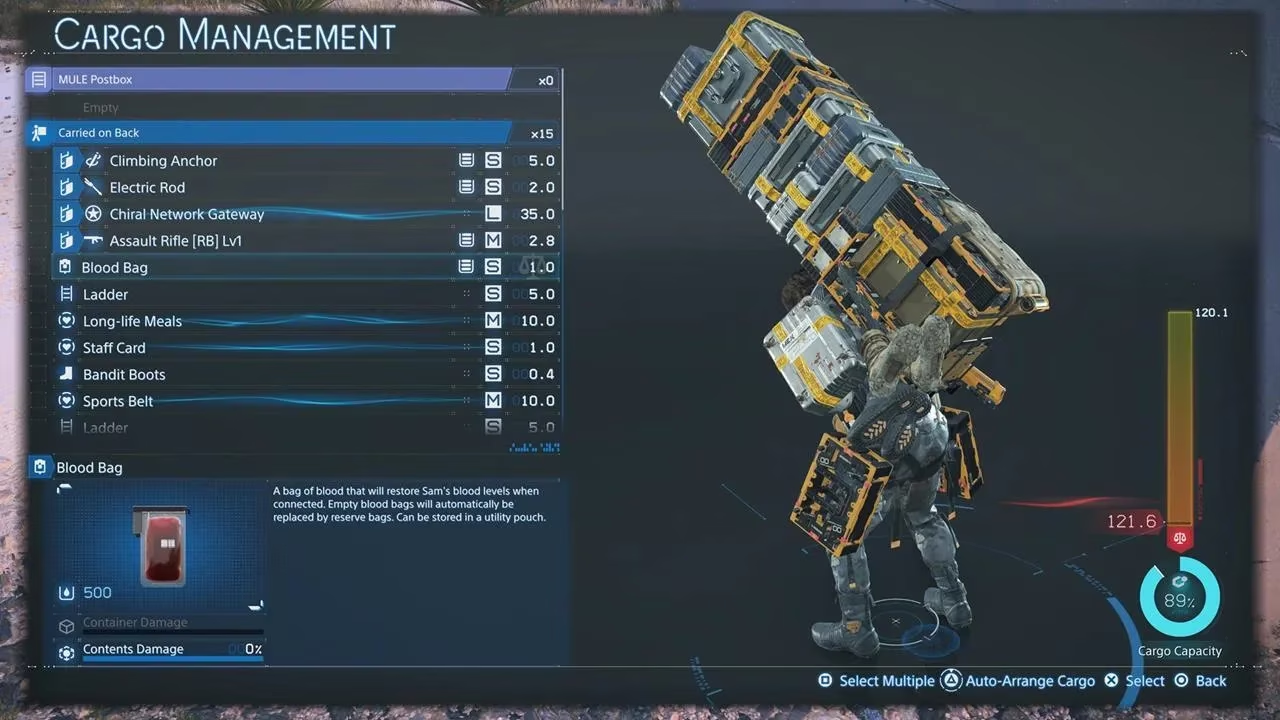
Press up on the D-pad, and two options appear. One lets Sam organize cargo manually. The other lets the system do the Tetris for him.
Manual sorting opens a body map of sorts:
| Slot | What Fits |
|---|---|
| Utility pouches | Tools and small supplies |
| Grenade pouches | Grenades only |
| Tool kit | A dedicated tool |
| Boot clip | An extra pair of shoes |
| Limb straps | Four small-to-medium containers on arms and legs |
| Backpack | Everything else, including heavy crates |
Not every crate can go everywhere. Grenade pouches reject anything that does not go boom. Limb straps groan under large or heavy containers. The auto-arrange feature, meanwhile, quietly does the sensible thing: it places valid items in valid slots and leaves the heaviest crates on Sam's back.
Balance Is a Cruel Teacher
The taller the stack, the more Sam sways. The game turns this into a rhythm of correction: hold L2 or R2 to shift weight left or right. Sometimes both buttons together are the only thing keeping him from kissing the dirt. Sudden turns, sprints, and panicked movements are invitations to disaster. Rocky hillsides, steep crags, and high cliffs do not offer second chances. One wrong step, and the cargo scatters, dented and damaged.
That is why veteran porters travel light when they can. Bring mission-critical gear. Leave the maybe-useful junk behind. If Sam grabs random loot from enemies or fixtures, recycling is often wiser than hoarding. Facilities and Postboxes convert unwanted items into metals, resin, ceramics, and alloys. Those resources wait in storage until the moment they become useful. Larger bases offer private lockers for the same purpose. Even MULE Postboxes in enemy camps can be hacked, especially the ones hiding behind holograms.
The Backpack Drop Is a Tactical Move 🎒
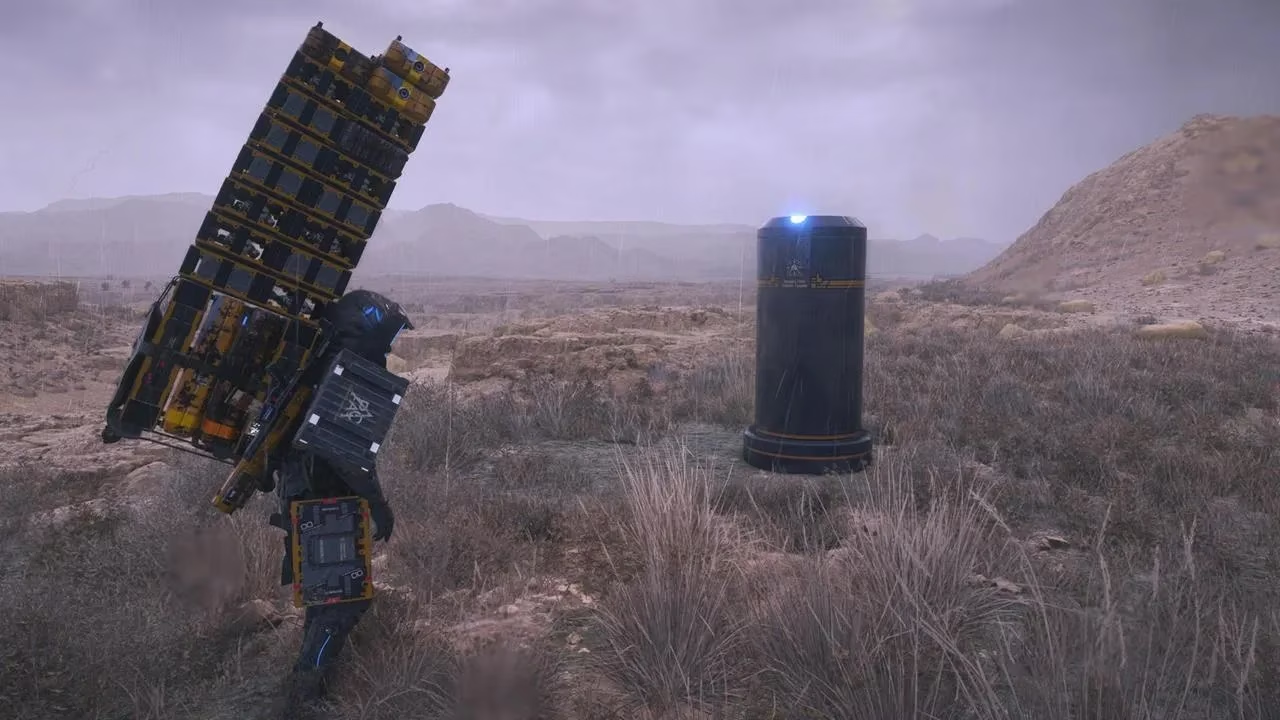
Hold Triangle, and Sam drops his entire backpack. Suddenly, he is light. He can climb, run, and sneak without a tower of crates pulling him off balance. This is useful when:
-
He needs mobility while neutralizing enemies.
-
He wants to hide in tall grass without gear poking out.
-
He spots a container on a high ledge and does not want to risk a fall.
But there are caveats. Regular items left behind on their own will eventually vanish. Without a backpack, any new container must be carried by hand with L2 or R2. Sam has to reequip the backpack before he can strap on additional crates. Trust me, the mountain does not care about your delivery rating.
Rest, Recharge, Repeat
Stamina is the quiet cargo. Sam cannot haul forever. Holding Square lets him sit, massage his neck, and stretch his legs for a small recovery. A drink from the canteen helps more. Sleeping in a private room restores stamina fully. Drinking soda there temporarily raises maximum stamina by up to 25 percent. It is a small ritual, but it keeps the legs honest.
Vehicles and the DHV Magellan 🚚
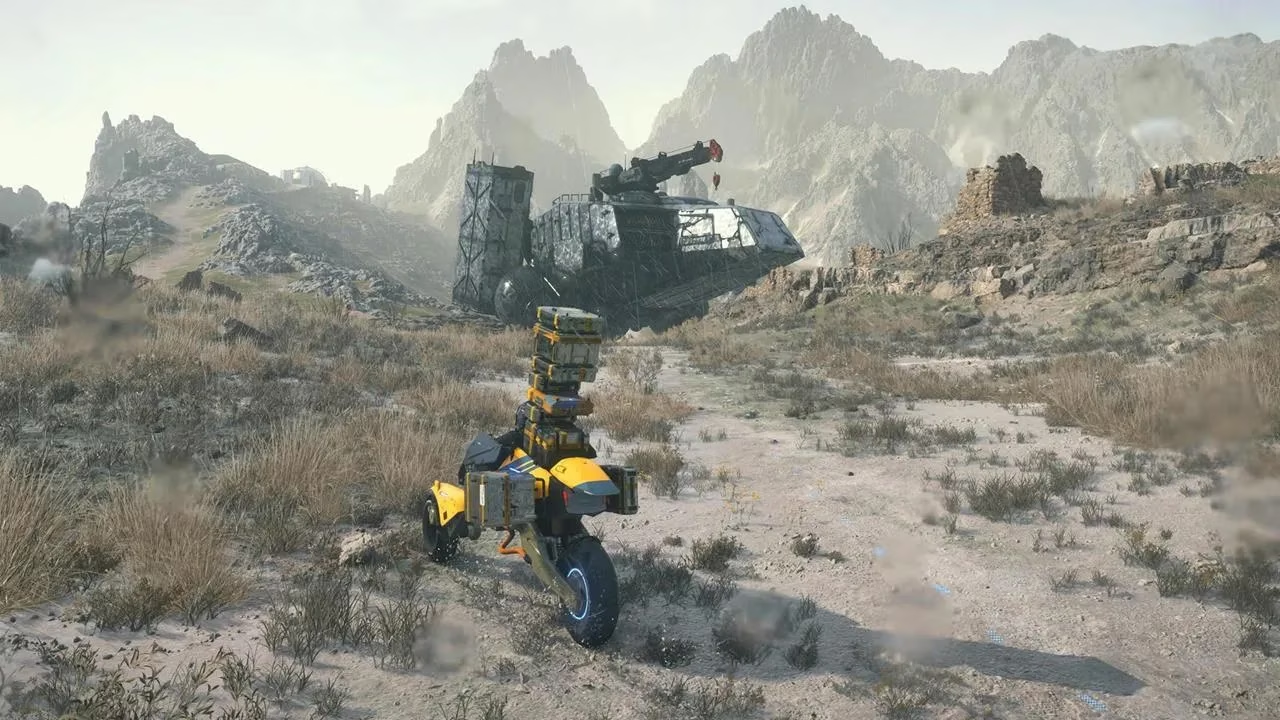
Once Sam finds or fabricates a vehicle, cargo capacity changes again. Vehicles have their own storage, separate from Sam's body. Face a vehicle, hold Triangle, and move crates into the trunk or back. Driving removes the weight-shift stumble mechanic entirely. Sam can even pick up items without stepping out. The catch is battery life. Running dry in the middle of nowhere is a special kind of loneliness.
The DHV Magellan is the mobile base and the best friend of any overburdened porter. Recycle what is not needed, store it in the facility, and let excess overflow into the private locker. Since the Magellan moves with the story and supports fast travel, Sam can leave materials and gear behind whenever he sets out. It is a floating closet, a workshop, and a safety net.
Floating Carriers and Monorails
A few hours into the campaign, West Fort Knot in Australia unlocks the Floating Carrier. It holds more than an average Tri-Cruiser, but it drinks Chiral Crystals over time. Stock up before relying on it. For truly massive hauls, the Monorail system is the cleanest answer. Certain missions and tasks lead to repair stations, opening new lines that crisscross the continent.
Damage Happens. Repair Exists.
Even a careful porter can dent a crate. If a container takes too much punishment, the items inside may suffer too. That hurts delivery likes and optional objectives that demand pristine cargo. The good news is that crates can be repaired with the right tools and devices. A battered box is not a failure. It is just another problem to solve.
In the end, cargo management in Death Stranding 2 is not about carrying more. It is about carrying better. Sam's back is a story of choices: what to keep, what to drop, what to recycle, and when to sit down and breathe. The road is long. The cargo is heavy. And the world, as always, is waiting to be connected.