In 2026, Death Stranding 2: On the Beach remains a demanding test of patience, planning, and balance. Sam Porter Bridges once reconnected America, but his new journey stretches across Mexico, Australia, and distant settlements. The sequel asks players to carry fragile cargo through hostile terrain, evade bandits, and survive supernatural storms. A well-prepared porter can turn a disastrous trek into a manageable delivery run. The following beginner tips cover route planning, cargo management, stealth, combat, vehicles, and the small details that keep Sam upright.

Plan the Route Before Leaving
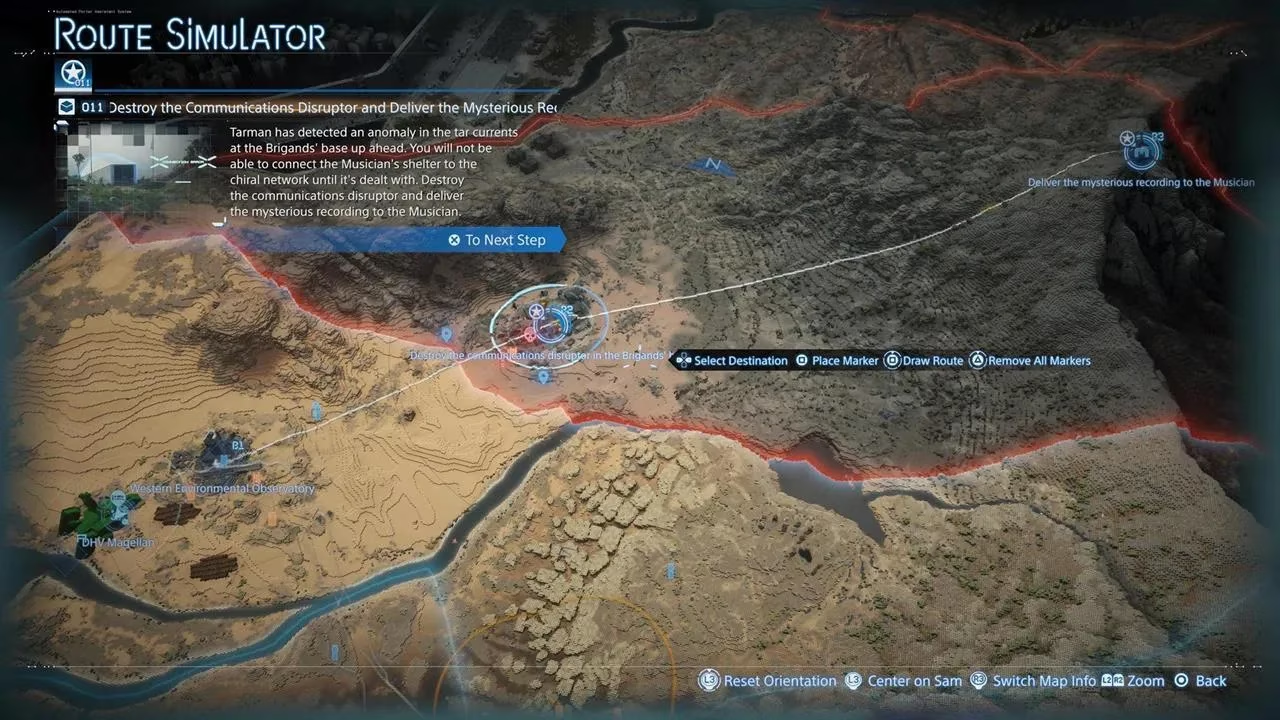
Every delivery begins on the map. Players can hold Square to place a starting point and an end point, then inspect the terrain between them. The map reveals threats and landscape features. A straight line may be short, but it can also cross red slopes, BT zones, or bandit camps. A longer route over blue and green terrain often saves time in the long run.
Scanning is just as important. Pressing L1 makes Sam's Odradek ping the surroundings. The scan highlights Chiral Crystals, Cryptobiotes, Lost Cargo, resources, and terrain hazards. Green means tall grass for hiding, blue means flat ground, yellow means rocky or slightly sloped ground, and red means steep surfaces that can cause falls. Frequent scans keep a porter informed.
Manage Cargo, Weight, and Repairs
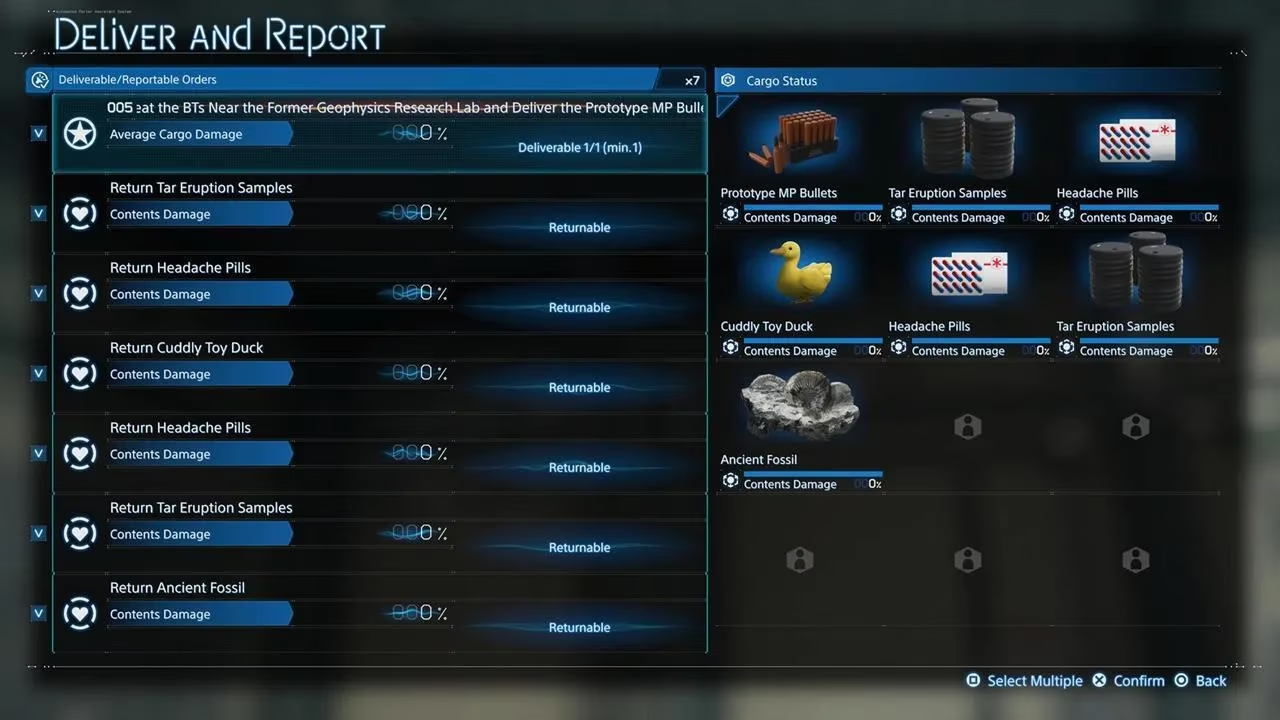
Sam has a carry weight limit. Near that limit, encumbrance makes movement and balance harder. Players shift weight with L2 and R2. Every stumble, fall, or rough landing can damage containers, and damaged containers eventually ruin the goods inside. Container Repair Sprays and Timefall Shelters restore crates. Delivering pristine cargo earns more gratitude and likes.
Inventory management matters. Backpack slots, pouches, limbs, and hands all hold different containers. An auto-arrange option fills priority slots with related items. Unneeded gear can be recycled into materials, and materials can be stored in facilities. Players should not carry every resource at all times.
Earn Likes and Unlock APAS Skills
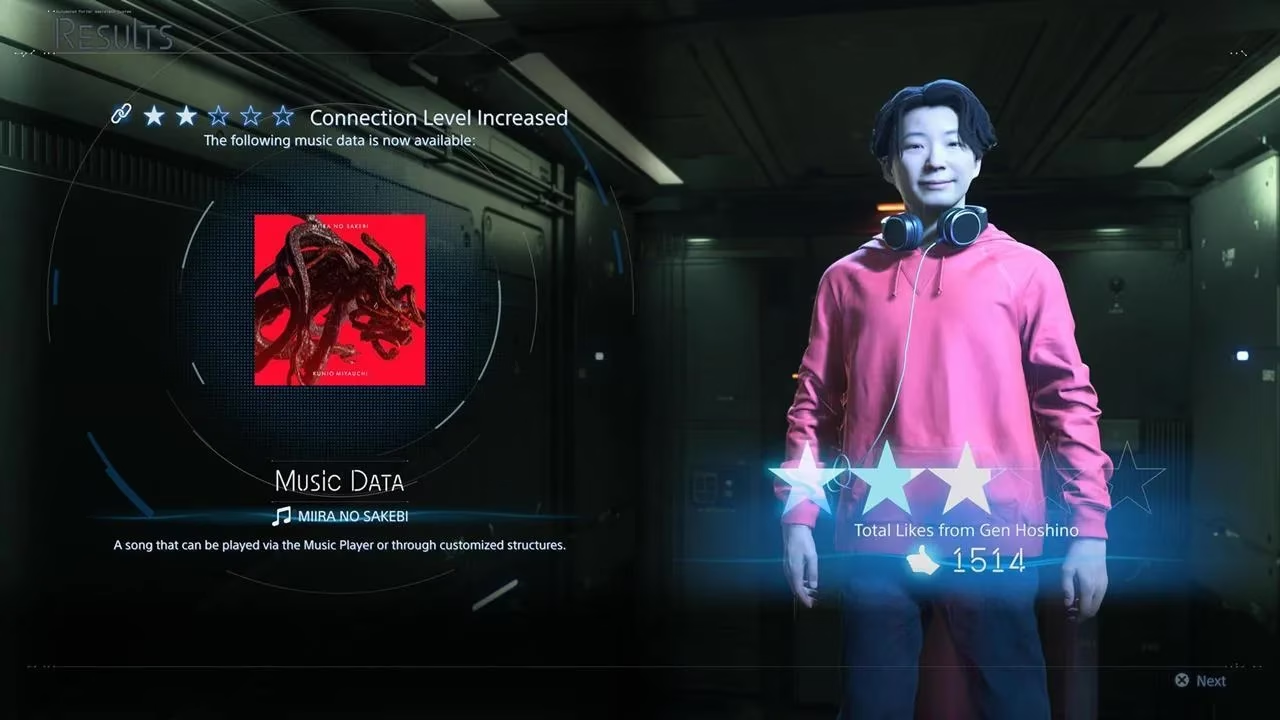
Each region has a faction or NPC. Completing missions and helping settlements increases likes, which raise reputation and connection levels. Higher connection levels grant new fabricable items, a higher skill point cap, more buildable structures, and extra materials.
The APAS Enhancements menu unlocks in Episode 3. It contains five skill trees: Porter, Bridge Link, Combat, Stealth, and Servicemanship. Actions during play level these trees. Because players can reallocate points inside Chiral Network zones, builds can be adjusted freely.
Pack the Right Tools and Spare Shoes
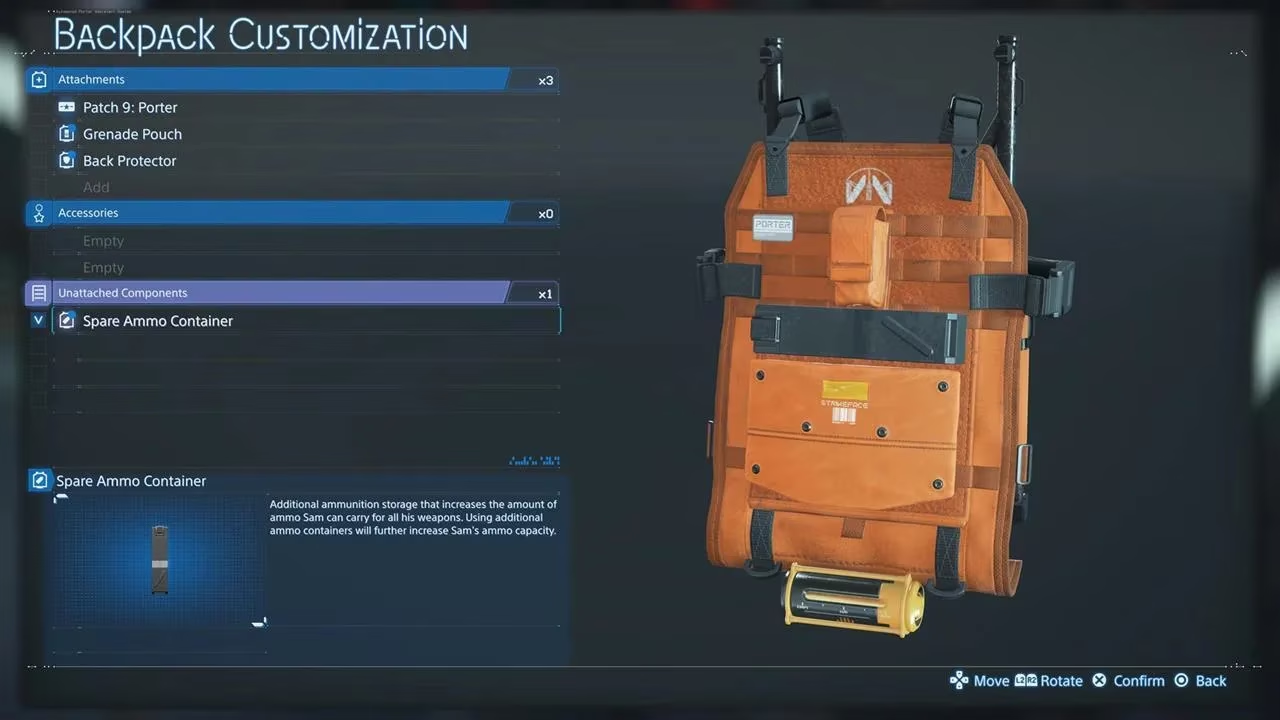
Backpack customization begins early, and Episode 3 adds attachments. Some attachments increase carry weight, add ammo, or shield crates. Space is limited, so choices matter. A balanced loadout includes weapons, PCCs for structures, climbing anchors, and at least one spare pair of shoes. The boot clip keeps extra footwear accessible. Worn boots slow Sam and drain health if he walks barefoot.
Use Stealth or Fight When Necessary
Enemy bases require caution. The Odradek has a motion detector that highlights hostiles in red. Binoculars, activated by holding L1, tag opponents, items, and points of interest. Dollman, a later companion, can be thrown above a camp and functions like an aerial scout. Watchtowers built with PCCs also tag enemies and resources.
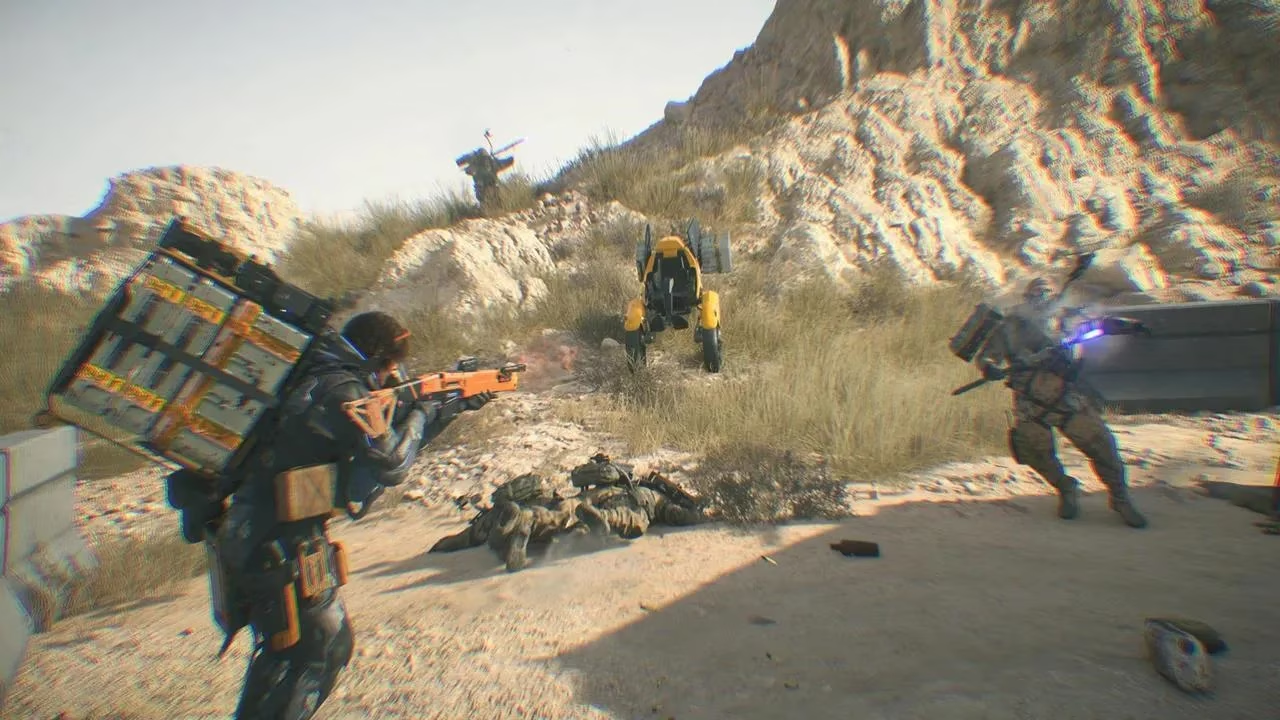
For stealth, players should hide in tall grass and keep backpack cargo from sticking out. Crouching with R1 and holding R1 to control breathing reduces noise. A close-range Circle press can incapacitate a target. Suppressed weapons eliminate threats from a distance. If combat begins, electric rods can be thrown and cause shocking reverberations that damage Sam and his cargo. Firearms often use non-lethal rounds. Being defeated means stolen loot, so a return trip to the bandit camp may be necessary.
Survive BTs and Extreme Weather
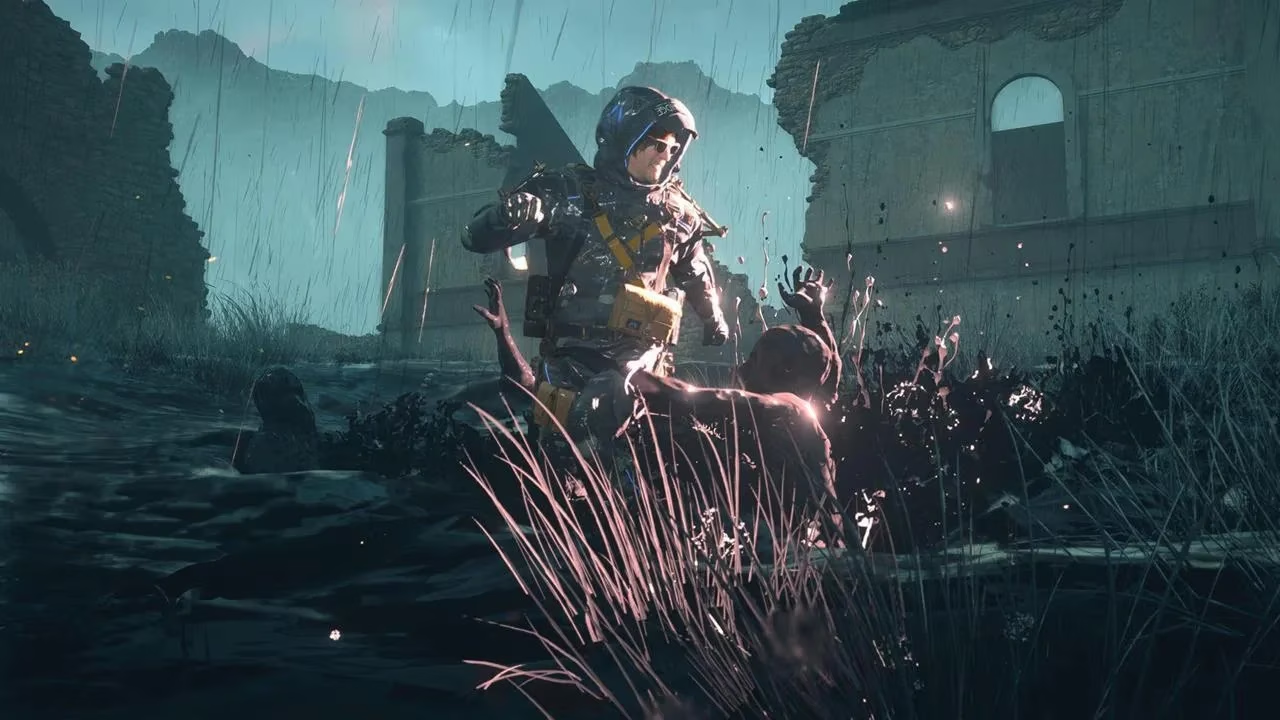
Beached Things are the most dangerous enemies. A BT encounter usually starts with a warning that slows time and dims or reddens the screen. The Odradek spins and points toward unseen threats. Gazers and Watchers move toward Sam and leave tar prints. Hunters drag and cling to porters stuck in tar. Catchers and gigantic BTs can trigger a voidout, a massive explosion that devastates the area. Sam can respawn after a normal voidout, but the landscape still suffers.
Weather adds another layer. Gate Quakes can drop boulders and cliffsides. Sandstorms buffet players for long periods. Timefall corrodes vehicles and metal containers. Adapting routes and carrying repair tools keeps deliveries alive.
Use Vehicles, Fast Travel, and the Monorail
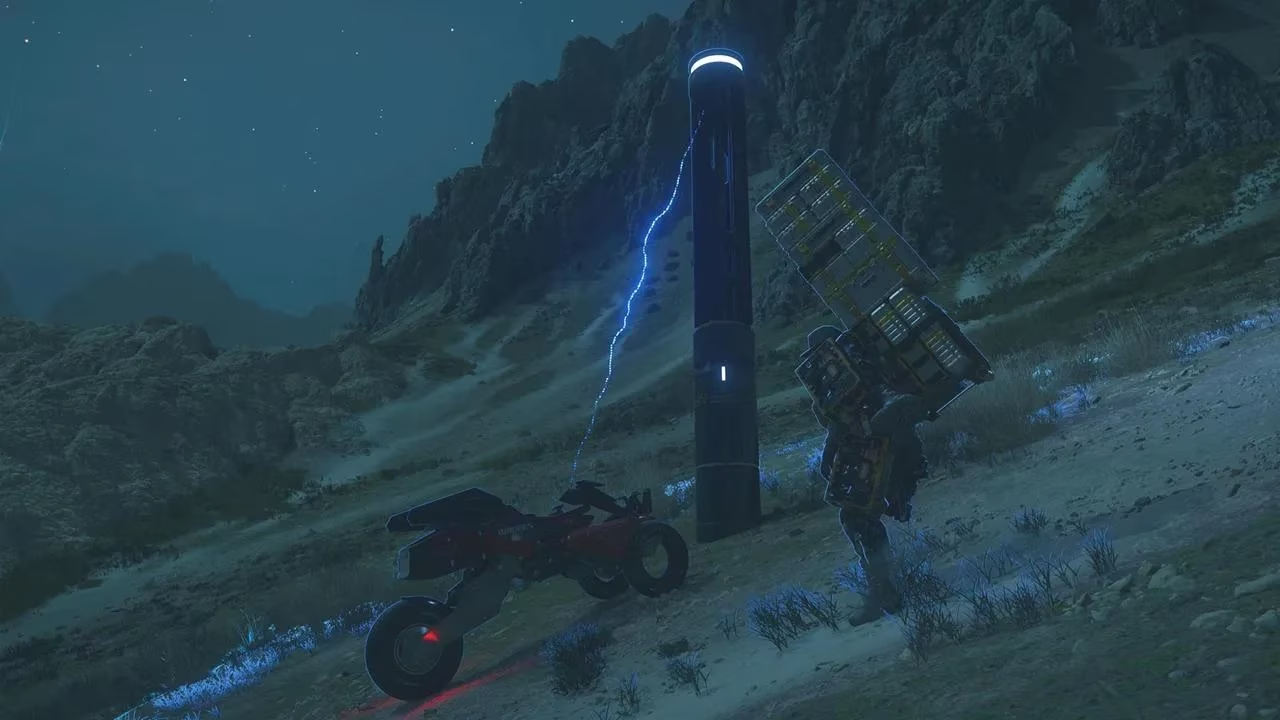
The Tri-Cruiser is the first vehicle and can be fabricated at a large facility with a garage. Enemy vehicles and abandoned player vehicles appear later. Vehicles carry cargo, allow pickup without dismounting, and remove weight-shifting struggles. Batteries must be recharged, so running out in a remote area is a real risk.
The DHV Magellan is a mobile base that follows main missions. After Order 12, it unlocks fast travel to visited Chiral Network locations. The Monorail moves enormous shipments, including vehicles, between bases. Multiple lines and hubs make large-scale resource transfer easier.
Rest in Private Rooms and Comfort Lou
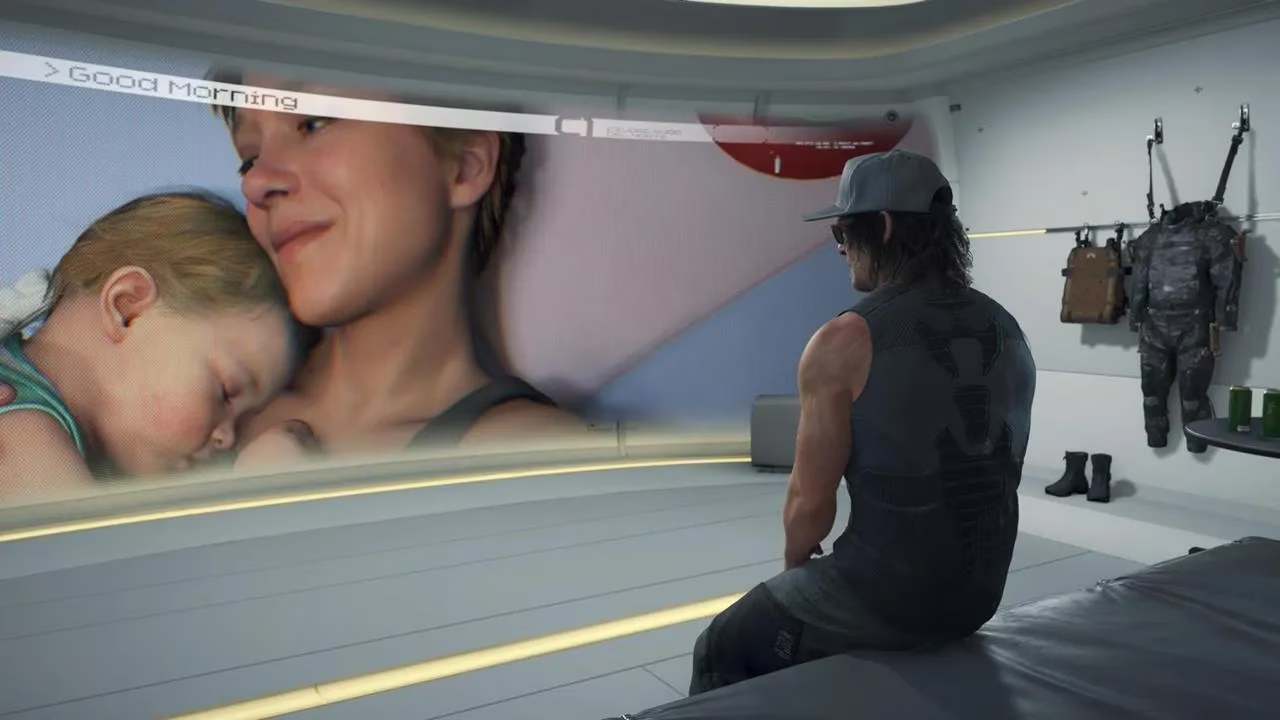
Large facilities and bases have private rooms. Players can customize Sam's clothes, cap, shades, and backpack. Sleeping restores health, stamina, and ammunition. Food and soda provide benefits, and soda can raise maximum stamina by up to 25 percent. Showering removes dirt and heals sunburns, sometimes yielding Chiral Crystals. A firing range tests weapons, and wallpapers can display photo mode images.
Lou, Sam's baby, can be comforted by holding L1 and pressing down on the D-pad. Shaking the DualSense controller lifts her. Lou becomes distraught after combat struggles or repeated falls. A happy Lou grants likes and improves Sam's ability to detect BTs from a distance. Smooth vehicle drives help keep her calm.
Use Online Features and Keep Backup Saves
Death Stranding 2 is primarily single-player, but online features connect porters. Structures built with PCCs can appear in other players' worlds. Players can request help with resources, repairs, or combat. Signs express messages and delight others. Strand Contracts through the SSS menu let friends share more resources and structures.
Autosaves trigger after deliveries, missions, new regions, and major story events. They do not trigger during general exploration, lost cargo collection, or resource gathering. Manual backup saves are wise before entering BT-heavy areas or attempting risky deliveries. A save from just before a dangerous zone can prevent a long, frustrating reload.
With these tips, porters can cross Mexico, Australia, and beyond with fewer disasters. Preparation, scanning, and smart inventory choices matter more than speed. Humanity yearns to be interconnected once more, and Sam is the one who delivers the goods.